SaaS
Cloud Tech
Revolutionize Cloud Services for Enterprises

SaaS
Cloud Tech
Engineers, leveraging their expertise in development frameworks, crafted powerful solutions. However, these posed navigability challenges for a diverse user base. The core concept of the product was to make self-service cloud accessible to all employees. However, many user flows and interactions, initially designed by engineers, weren't intuitive for new users, particularly those with less technical expertise. The absence of a UX designer early in the development process led to major inconsistencies across the product. New functionalities were added on top of existing ones without considering dependencies, which eventually required a major overhaul of the entire platform to straighten out these inconsistencies. However, new features also needed to be implemented and released in a timely manner. This altogether created an overwhelming situation and the need to bring in structure and a strategy on how to tackle the complete overhaul while also continuing with planned roadmap items.
Initially, the product was developed with a strong focus on technical functionality, led by engineers who had a deep understanding of backend cloud technology. The project's objective was to enhance the user experience of the Cloud Management Platform. This was achieved by simplifying tasks, providing a more intuitive experience, and establishing style consistency through the development of a component library and style guide.
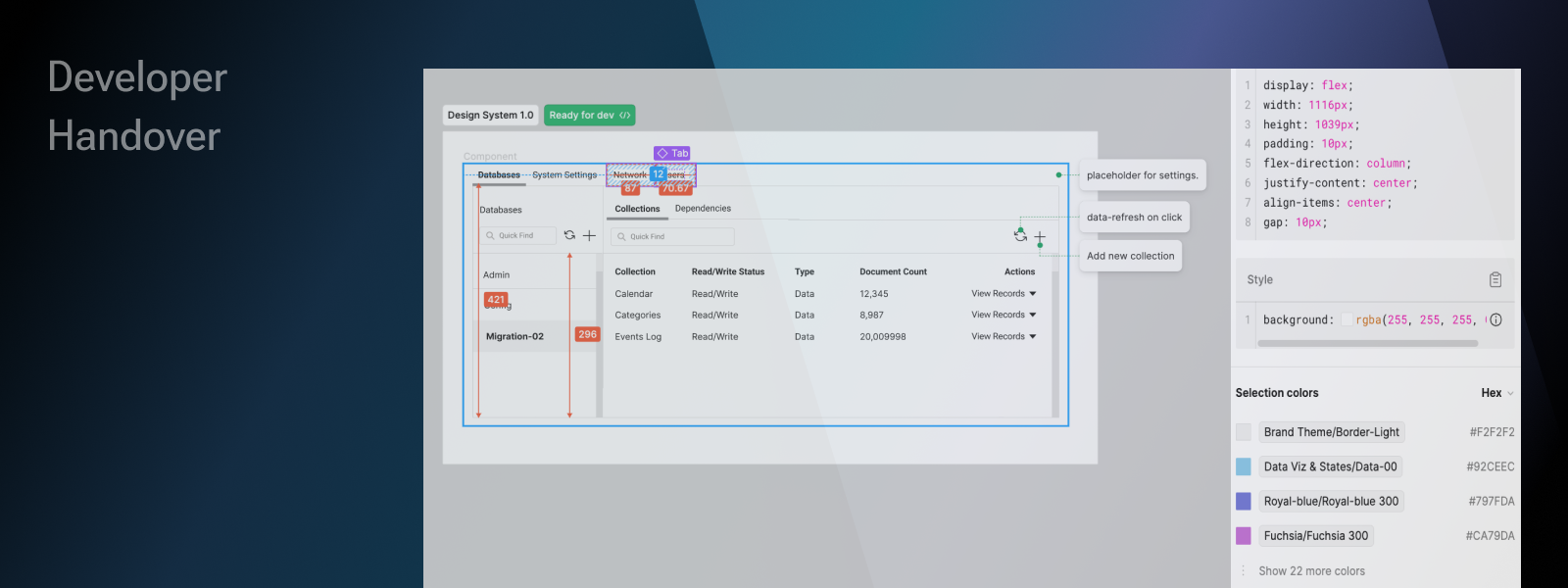
After thoroughly understanding the platform and its users, we strategized how to design new functionality while simultaneously rebuilding style consistency and improving existing UX. I developed a UX roadmap in line with the Product roadmap, which accounted for planned tickets needing UI guidance. We divided these into urgent requirements that required immediate implementation without user testing or feedback.
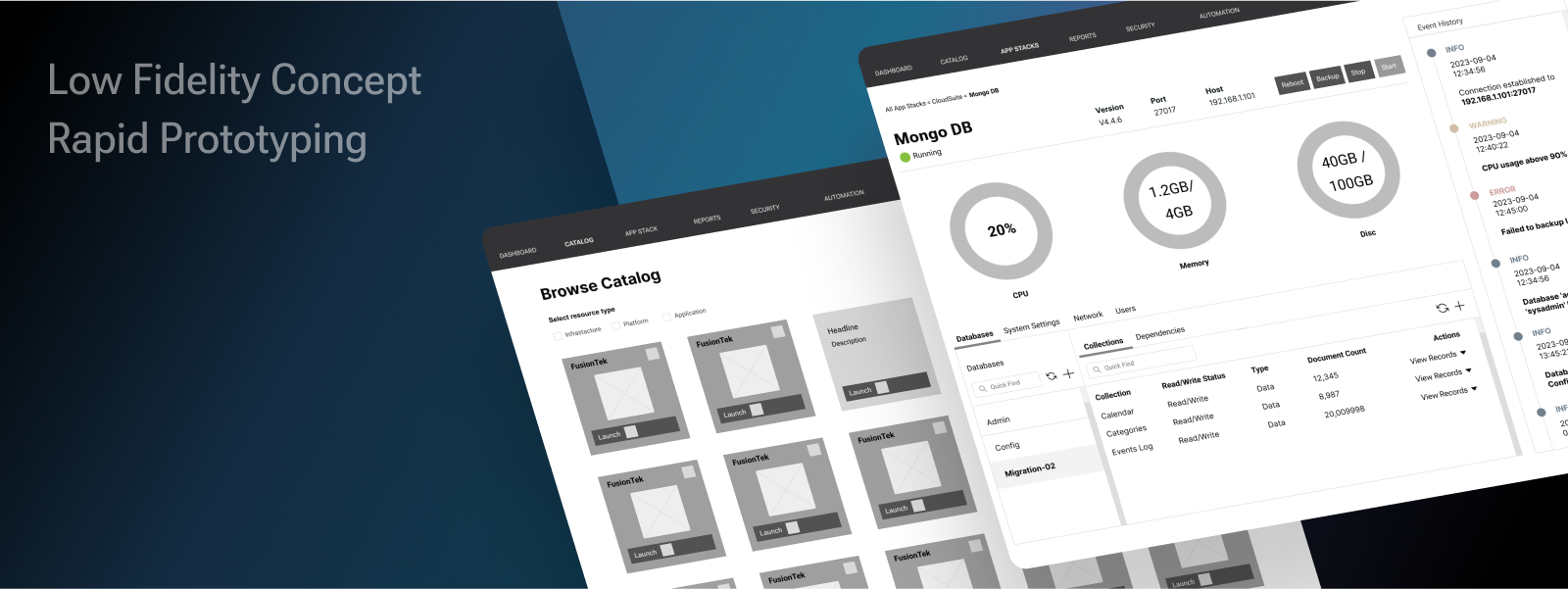
The goal was to rapidly enable new functionality. While working through these urgent requirements, I laid the foundation for future design systems. Initially, I designed a low-fidelity concept aligning with the product requirement document for each story. We then divided this into deliverables to be handed over to engineers sprint by sprint.
Simultaneously, I worked on concepts for future releases, allowing ample time to gather feedback from subject matter experts and users before preparing the concepts for sprint-by-sprint implementation. I also developed the foundation for the future design system.
We phased the implementation into three stages: the first phase involved low-fidelity guidance through wireframes and interaction components using existing styles applied by engineers. The second phase involved refreshing the styles based on our newly developed component library. The third phase involved implementing an enhanced, validated, and user-tested version of those same functionalities.

Through an intuitive enterprise app store, AppCenter streamlined the delivery of IT services across both internal and external clouds. What made this even more remarkable was its efficiency; compared to solutions from more established vendors, AppCenter delivered these capabilities with an astounding 80% reduction in time and cost.
The success of the redesign was also demonstrated by the acquisition of ITAPP by ServiceNow in 2016. This acquisition served as a testament to the impact of user-centric design on the success of enterprise solutions.
As a UX Consultant, my involvement with ITapp was geared towards enhancing the user experience of their early-stage product. ITapp was pioneering in its time, striving to make cloud services user-friendly and accessible for enterprise users, irrespective of their tech-savviness. Their hybrid cloud management software stood as a testament to innovation, allowing clients to leverage public cloud offerings while ensuring data privacy and security. Their flagship product, AppCenter, was a game-changer in the realm of IT services, acting as a next-generation cloud services broker.